How Long Does Balsamic Vinegar Last? Balsamic vinegar is a popular ingredient with roots in Italian cuisine. The durability of this vinegar, which has a sweet and sour taste, is a topic that puzzles many of us. How long does balsamic vinegar last? In this article, I will give information about the storage time, storage conditions and factors affecting the quality of balsamic vinegar.

Balsamic vinegar can last a long time when stored in the right conditions. Usually sold in bottles, the key to keeping this vinegar fresh and delicious is to practice proper storage methods. It is important to store in a cool, dry and dark place. It is also of great importance to prevent air oxidation by tightly closing the bottle. A quality balsamic vinegar gradually matures over the years and its flavor deepens. However, once opened, the shelf life of vinegar decreases slightly. Typically, an unopened bottle of balsamic vinegar can last between 3 and 5 years when stored properly, while once opened this period drops to 1 to 3 years.
Factors affecting the durability of balsamic vinegar include the production method, quality and ingredients. Traditionally produced Modena balsamic vinegars tend to last longer. Additionally, natural and organic balsamic vinegars that do not contain artificial additives also have a longer shelf life. Balsamic vinegar can last a long time when stored properly. A quality bottle of balsamic vinegar can maintain its freshness and flavor for at least several years. However, it is important to consume vinegar as soon as possible after opening to achieve the best taste.
Balsamic Vinegar: Shelf Life and Storage Tips
Balsamic vinegar is a special vinegar that comes from Italian cuisine. It adds flavor to dishes with its intense taste and characteristic aroma. However, it is important to know the shelf life and correct storage methods of this valuable liquid. In this article, we will discuss tips on how to store balsamic vinegar and its shelf life. It is best to store balsamic vinegar at low temperatures in a cool, dark place. Exposure to temperature fluctuations and prolonged exposure to sunlight can adversely affect the quality of vinegar. Instead of storing it on the cabinet or kitchen counter, it is more convenient to place it on one of the last shelves inside the cabinet.
Additionally, it is important to limit balsamic vinegar’s exposure to air. In bottles that are constantly opened and closed, air can cause oxidation, causing taste changes in the vinegar. Therefore, it is important to close the bottle tightly before using the vinegar. Also, when purchasing larger quantities, you can further reduce exposure to air by transferring the vinegar to small glass bottles.
The shelf life of balsamic vinegar may vary depending on its quality and storage conditions. In general, it is important to pay attention to the expiration date stated on the bottle. One way to extend the shelf life is to store vinegar in the refrigerator. This way, you can prevent the naturally acidic vinegar from spoiling. Balsamic vinegar is an indispensable ingredient in delicious dishes. However, consuming vinegar without applying correct storage methods may cause loss of taste and quality. It is important to preserve the shelf life of balsamic vinegar by storing it in a cool, dark place, limiting its contact with air, and paying attention to the expiration date. By following these tips, you can always have a fresh and delicious balsamic vinegar.
The Mysterious Return of Balsamic Vinegar in the Journey of Flavor
There are details that make a meal perfect. At this point, balsamic vinegar plays an important role in the flavor journey with its taste and aroma profile. Balsamic vinegar is a beverage that originates from Italy and is known for its amazing transformation process. The mystery of balsamic vinegar is hidden in the production process. It is prepared using grapes grown in the Modena or Reggio Emilia regions. These grapes are carefully harvested and then subjected to a long fermentation process. Fermented grapes are aged in wooden barrels for years to thicken. During this process, natural enzymes help acids and sugars mix in a balanced way. As a result, balsamic vinegar is obtained, which is dark in color, has a dense consistency and a complex texture.
With this mysterious transformation process, balsamic vinegar acquires a unique taste and aroma. Intense fruit notes, a slightly sour taste and a touch of sweetness combine to create an explosion of flavor. With these properties, balsamic vinegar is a perfect match with salads, meats, seafood and even desserts.
Balsamic vinegar has many health benefits as well as its importance in the flavor journey. Thanks to its antioxidant properties, it supports the immune system and protects the body from free radicals. It facilitates digestion by helping regulate the digestive system. It is also effective in weight control, provides a feeling of fullness and reduces appetite. The mysterious return of balsamic vinegar in the journey of taste is an element that improves the quality of the dishes on our tables. This special vinegar, which draws attention with both its taste and health benefits, takes dishes away from the ordinary and adds a unique taste to them. The intense aroma and complex flavor of balsamic vinegar offers a feast for the palate and makes each plate unforgettable in its taste journey.
Balsamic Vinegar: An Indispensable Taste Experience in the Kitchen
Balsamic vinegar is known as a special sauce that offers an indispensable taste experience in the kitchen. This delicious and aromatic vinegar is obtained by fermentation of grape juice produced in the Modena and Reggio Emilia regions of Italy. The long maturation process is what gives balsamic vinegar its characteristic taste. The uses of this special vinegar in the kitchen are quite diverse. It pairs perfectly with salads, sauces, marinating meat and vegetables, and even with desserts. One of the most distinctive features of balsamic vinegar is that it has an intense and dark brown color. It also offers a slightly sweet aroma with a soft and smooth texture.
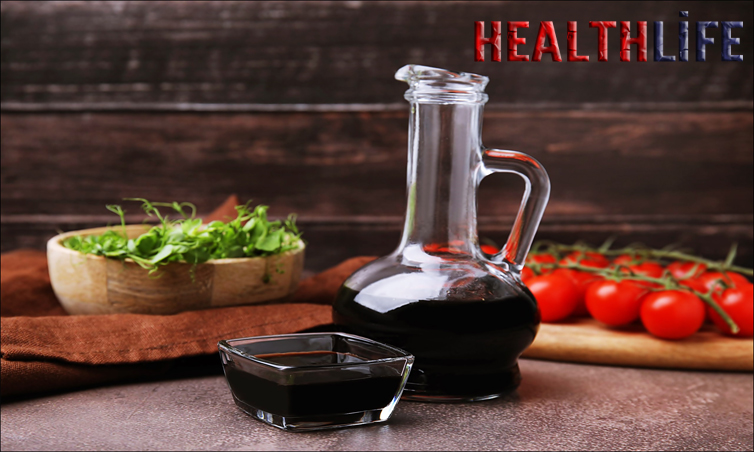
Balsamic vinegar can be used in many different ways to enhance the flavor of dishes. For example, you can create a balsamic vinegar-based dressing that will elevate your salad beyond just a simple green leafy salad. With its balance between sweetness and sourness, it allows you to add a unique taste to your salad. It is also an ideal choice for marinating meat and vegetables. The intense aroma of balsamic vinegar adds a deep flavor to meat and vegetables while also providing tenderness. When you prepare grilled chicken or vegetables with balsamic vinegar marinade, you will immediately notice the difference in taste in your meal.
For those with a sweet tooth, balsamic vinegar is a real discovery. It gives a complete explosion of flavor, especially when served with strawberry, raspberry or vanilla ice cream. When drizzled over desserts, balsamic vinegar gives them depth, richness and unexpected flavor. Balsamic vinegar offers a unique taste experience in the kitchen. It can easily elevate your meals with its aromatic properties, color and texture. This miraculous sauce, which you can use in all kinds of dishes, from salads to marinated meats and desserts, can be one of your indispensable items in the kitchen.
Balsamic Vinegar with Its Extraordinary Flavor: A Journey from Past to Present
Balsamic vinegar has gained a special place in the culinary world with its incredible taste and unique aroma. The story of these rich vinegars resembles a journey from past to present. Balsamic vinegar, which first appeared in the ancient Roman period, has evolved over time to suit the tastes of different cultures. Balsamic vinegar has its roots in Medieval Italy. Grapes obtained from the productive vineyards of the Modena and Reggio Emilia regions form the basis of these wonderful vinegars. Originally, grape juice was concentrated by boiling and then allowed to mature for years in wooden barrels. During this process, the vinegar undergoes a complex chemical transformation and acquires its characteristic intense dark color and sweet-sour aroma.
As the popularity of balsamic vinegar spread throughout Europe, its production techniques evolved. In addition to barrel aging, oak barrels are now also used. This adds more depth and complexity to the vinegar. Nowadays, there are certain conditions for balsamic vinegar production. For example, only certain grape varieties must be used and must complete a long aging process.
Balsamic vinegar’s unique aroma and complex taste make it a versatile ingredient in cuisines. It pairs wonderfully with salads, meats, cheeses and even desserts. It is also beneficial for health. It is full of antioxidants and supports the digestive system. So, in addition to a delicious experience, it also contributes to your health. The connection between the past of balsamic vinegar and its current popularity makes this unique taste even more valuable. There is history and care in every drop. Therefore, balsamic vinegar will continue to be an indispensable part of the culinary world.
In the content of our article about How Long Does Balsamic Vinegar Last?, you can find practical information about how long does balsamic vinegar last, which we prepared for you, our valued friends, and you can send it to your friends on your social networks and inform them about our page.
For your questions and complaints, you can write to us in the comments section. We are trying to help you with all your problems.
Our other recommendation link that may attract your attention; How Long Does Red Beans Last?