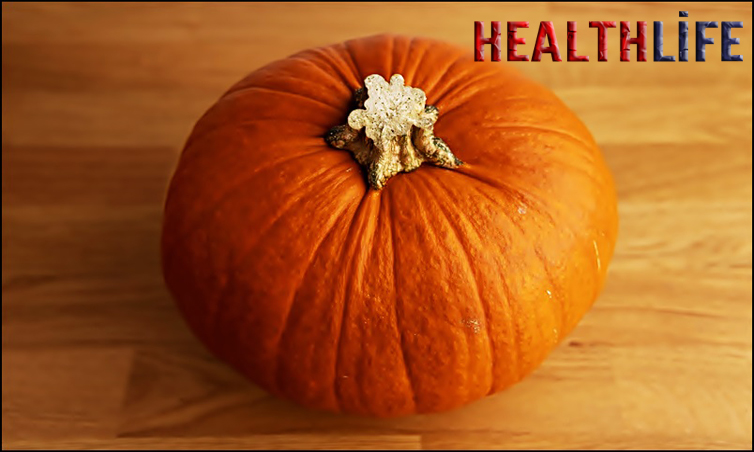
How Long Do Whole Pumpkins Last? Pumpkin is known as the symbol of autumn and is a fruit loved by many people. It can be used both for decoration purposes and in various dishes. However, there are many questions about pumpkin longevity: How long can a whole pumpkin stay fresh?

Pumpkin can last quite a long time when stored in the right conditions. After purchasing a fresh pumpkin, you should make sure that its skin is intact. If you notice any signs of rot or softness, then the pumpkin may have decreased durability. However, some spots of rot may be present on the peel, but this usually does not spread to the interior and does not affect the freshness of the pumpkin. To keep pumpkin fresh, it is important to choose a suitable storage method. It is best to store it in a cool, dry and dark place. You may consider storing your pumpkin in the refrigerator, but this can cause the skin to become damp and spoil quickly. It is better to store pumpkin at room temperature, in a place with air circulation.
Pumpkin can last up to 2 to 3 months when stored in the right conditions. However, consumption time may vary depending on your purpose for using the pumpkin. For example, if you want to make pumpkin soup, its freshness time may be a little more limited. To get the most out of a fresh and delicious pumpkin, it is recommended to use it as soon as possible after purchase. Pumpkins are quite durable when stored in the right conditions. A pumpkin with a intact skin can stay fresh for 2 to 3 months when stored properly. This time may vary depending on factors such as the purpose for which the pumpkin will be used and storage conditions. To keep your pumpkin fresh, it’s important to store it carefully and consume it as soon as possible so you can get the most out of it.
The Mysterious Durability of Pumpkin: An Extraordinary Structure?
Pumpkin is a colorful and nutritious fruit that is the symbol of autumn. However, there is something mysterious about the durability of this unusual plant. The outer shell of the pumpkin contains many features that give it a unique structure. To understand the durability of the pumpkin, let’s first take a look at its outer shell. You will notice that its shell is strong and sturdy. Under this shell, there is soft and delicious meat inside. The durability of the pumpkin comes from the cell walls in its outer shell. These cell walls contain densely cross-linked cellulose fibers, which increases the strength of the shell. However, another factor that supports the durability of the pumpkin is its biological structure. Pumpkin naturally contains high amounts of pectin. Pectin is a polysaccharide that strengthens the bonds between cells in plants. In this way, the pumpkin becomes resistant to rotting and maintains freshness for a long time.
In addition to the pumpkin’s durability, its genetic makeup also plays an important role. Scientists have discovered that some types of pumpkins are superior to others in durability. These species have genetic characteristics that can better adapt to environmental stresses. This increases the pumpkin’s ability to survive. The mysterious durability of the pumpkin is due to the unique structure of its outer shell, its high pectin content and genetic factors. The natural defense mechanisms of this unusual plant protect it from decay, destruction or harmful effects. This impressive durability of the pumpkin represents both a natural phenomenon and a nutritious source for humans.
Check Out Pumpkin Endurance Records: The Art of Long-Term Endurance
Pumpkin is a plant that stands out with its inherent durability. It is very valuable in terms of high productivity and health. However, you will be truly impressed when you take a look at the endurance records of this magnificent plant. Pumpkin has the art of enduring. This durability is first demonstrated by the hardness of its shell. The shell, a natural protective layer, is known for its resistance to external factors. Thus, pumpkin fruit can remain fresh for a long time and does not show signs of rotting.
In addition, it maintains its durability thanks to the nutrients contained in pumpkin. This plant, which is a rich source of vitamins and minerals, preserves its nutritional value even in long-term storage. Thus, it provides significant benefits to the body when consumed. The durability of pumpkin is not limited only to its nutritional value. It can also be used for decorative purposes for a long time. For example, carvings and decorations made from pumpkins can remain intact for years to come. This feature makes pumpkin an ideal material for artists and craft enthusiasts.
In terms of durability, pumpkin is also a preferred plant in gardening. When grown under good care and appropriate conditions, it is resistant to diseases and pests. In this way, it becomes a reliable option for gardeners in their long-term plant planning. Pumpkin is a plant that breaks endurance records. It exhibits the art of long-term durability with the hardness of its shell, nutritional value and decorative uses. These extraordinary properties of pumpkin increase its value both in terms of health and aesthetics.
A Myth or Reality? Research on the Extraordinary Durability of Pumpkin
Pumpkin is a symbol of autumn and an indispensable ingredient of delicious recipes. But did you know that pumpkin is impressive not only in the kitchen but also in terms of durability? Some claim that pumpkins have legendary durability. In this article, we will discover whether pumpkins really have extraordinary durability.
The durability of pumpkin stems from some striking structural features. Firstly, its thick and hard shell protects the fruit against physical impacts. Plus, the shell is impressively waterproof to prevent water loss. This waterproofing keeps the pumpkin fresh for a long time and reduces the risk of rotting. Pumpkin is also a dense source of nutrients. The high levels of fiber and antioxidants it contains help pumpkin to be stored for a long time. These nutrients delay the deterioration of the cells in the inner part of the fruit and thus increase its durability.
Similarly, pumpkin seeds also have remarkable hardiness. Seeds are covered with a tough outer membrane that protects against environmental stresses. Additionally, the fatty acids in the seeds prevent moisture loss and extend the lifespan of the seeds. However, there are also some legends about the durability of pumpkins. For example, while some claim that pumpkins can be stored for years, the truth is not fully proven. The durability of pumpkins may depend on storage conditions and environmental factors. When stored in ideal conditions, pumpkins can last longer; but this is not always the case.
It would be wrong to say that pumpkin has extraordinary durability. However, its structural properties and nutritional content allow it to last longer than other fruits. The durability of pumpkins can be impressive when stored in the right conditions. Therefore, it is important to practice proper storage methods to keep pumpkin fresh and delicious.
Pumpkin: A Natural Superhero?
Pumpkin, which draws attention with its colorful appearance on shelves and market stalls with the arrival of autumn, stands out as a superhero not only with its taste but also in terms of health. This natural miraculous fruit attracts attention with its rich nutritional values and health benefits. The surprising feature of pumpkin is its rich beta-carotene content. Beta-carotene is converted into vitamin A by the body and strengthens the immune system while protecting eye health. Thanks to its antioxidant properties, it helps protect cells by fighting free radicals. Additionally, it supports skin health and is effective in reducing the effects of aging.
Pumpkin is also rich in fiber. Fiber helps regulate the digestive system and increases the feeling of fullness. Increasing dietary fiber intake may help with weight control and support heart health. Pumpkin is also known for being a low-calorie option and can be preferred during the weight loss process. This super fruit is also a source of vitamins and minerals. It contains important nutrients such as potassium, iron, vitamin C and magnesium. While potassium helps regulate blood pressure, iron is effective in carrying oxygen to cells. While vitamin C supports the immune system, magnesium is important for bone health.
Pumpkin is a versatile fruit that can be used in sweet and savory dishes. While it can be combined with various spices in sweet recipes to create unique flavors, it can also be used in soups, purees or salads. When consumed this way, it offers health benefits along with its natural taste. Pumpkin is a real superhero that nature has given us. It is full of healthy nutritional values and can be used in many ways and turned into creative recipes. Therefore, we should include pumpkin more on our tables and take full advantage of the benefits of this amazing fruit.
In the content of our article about How Long Does a Whole Pumpkin Last?, you can find detailed practical information about how long a whole pumpkin lasts, which we have prepared for you, our valued friends, and share it with your friends and inform them about our page.
For your questions and complaints, you can write to us in the comments section. We are trying to help you with all your problems.
Our other recommendation link that may attract your attention; How Long Does The Brain Withstand Hypoxia?