How Long Does The Brain Withstand Hypoxia? Brain hypoxia refers to the decrease or complete cessation of oxygen in the brain. This situation prevents the brain from functioning properly and can lead to serious consequences. So, how long does the brain survive hypoxia? Let’s investigate the answer to this important question.
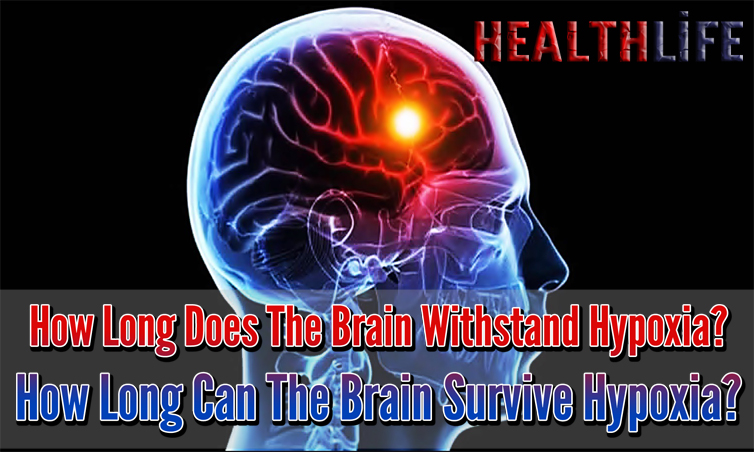
Without normal oxygen levels, the brain cannot perform its vital functions even for just a few minutes. Brain cells begin to be damaged rapidly due to lack of oxygen. However, the effects of hypoxia may vary depending on the duration of hypoxia, the individual’s age, general health status, and other factors. The brain is the most oxygen-consuming organ in the body and is immediately affected by lack of oxygen. An oxygen deficiency lasting approximately 4-6 minutes can cause permanent damage to the brain. When brain cells are deprived of oxygen, they cannot continue producing energy and lose their functions. Therefore, brain damage from hypoxia may increase over time.
However, each individual’s tolerance to brain hypoxia is different. While some people can withstand short periods of oxygen deprivation under conditions such as hypnosis, others can suffer serious damage even for shorter periods of time. People who are older or have existing health problems may be more susceptible to hypoxia than younger, healthy individuals. The consequences of brain hypoxia can result in irreversible damage to cells. These can include permanent brain damage, paralysis, neurological disorders, and even death. Therefore, a person suffering from brain hypoxia requires urgent medical attention. In case of brain hypoxia, brain cells begin to be affected rapidly and long-term oxygen deficiency can cause permanent damage. However, the impact of hypoxia varies from person to person and depends on many factors. Since brain hypoxia has serious consequences, it is vital to seek timely medical attention.
The Time the Brain Stays Without Oxygen: What is the Hypoxia Tolerance Limit?
The brain is one of the most important organs in our body and needs to constantly receive oxygen. However, in some cases, the brain may become deprived of oxygen due to unexpected events or medical emergencies. So, how long can the brain remain without oxygen? Here’s what you need to know about the hypoxia tolerance limit. Hypoxia is a condition in which the brain does not receive enough oxygen. The brain can remain without oxygen for approximately 4 to 6 minutes. During this time, brain functions slow down and cell death may occur. However, the time it takes for each individual to withstand hypoxia may vary. Some factors can affect the durability of brain tissue.
There are several factors that affect the amount of time the brain is deprived of oxygen. The first of these is the health problems the person has experienced. For example, events such as a heart attack or stroke can block blood flow to the brain and shorten the duration of oxygen deprivation. It is also important how much energy the brain tissue needs. Brain cells that work intensively can react to lack of oxygen in a shorter time. It is possible to take some measures to increase the brain’s tolerance limit to hypoxia. First of all, it is important to adopt a healthy lifestyle. Exercising regularly, eating a balanced diet and avoiding stress can positively affect brain health. It is also important to avoid harmful habits such as smoking and alcohol.
The issue of how long the brain remains without oxygen is a subject being researched in the field of medicine. Scientists are developing new treatment methods to reduce the risk of brain damage. However, in any case of anoxia, immediate medical attention is required. Quick and effective intervention can help prevent brain damage and permanent consequences. The amount of time the brain is deprived of oxygen is a factor that may vary depending on the person and the situation. The hypoxia tolerance limit indicates how long brain tissue can survive in the absence of oxygen. Adopting a healthy lifestyle and responding quickly in emergency situations are important to protect brain health. However, in any situation that requires professional medical attention, appropriate treatment and care should be provided.
Brain and Oxygen: Why Hypoxia Can Be Fatal
The human body is a complex system and each organ needs oxygen for healthy functioning. The brain is one of the most important organs of our body and depends on a constant supply of oxygen. However, when the brain does not get enough oxygen, a condition called hypoxia occurs. This can lead to serious consequences and even be fatal.
Hypoxia is a condition in which oxygen levels fall below normal. The brain needs oxygen to produce energy and maintain its functions. Lack of oxygen can damage brain cells, resulting in impaired brain function. Hypoxia is often associated with conditions such as respiratory failure, heart attack, stroke, or sudden seizure. The state of hypoxia can be fatal if not treated quickly. At first, a person exposed to hypoxia may experience symptoms such as difficulty breathing, dizziness, loss of consciousness, and headaches. When the brain’s oxygen intake is cut off, cells are rapidly damaged and brain damage occurs. In this case, the risk of permanent neurological damage or death increases.
Oxygen support is vital to prevent or treat hypoxia. In emergency situations, doctors provide immediate interventions to ensure airway patency and support breathing. In some cases, the patient may need to be put on a ventilator. The underlying cause causing hypoxia must be treated and oxygen levels normalized. Oxygen is vital for the brain, and a state of hypoxia can have serious consequences. Lack of oxygen can lead to impaired brain function and even fatal brain damage. Therefore, it is critical to treat hypoxia quickly and effectively when encountered.
Effects of Excessive Alcohol Consumption and Brain Hypoxia
Alcohol is considered a common social activity in society. However, excessive alcohol consumption can lead to serious health problems. Its effects, especially on the brain, can have long-term consequences. In this article, we will talk about the effects of brain hypoxia, a condition associated with excessive alcohol consumption.
Brain hypoxia is simply a condition of not getting enough oxygen to the brain. Alcohol can have negative effects on many systems in the body, and the brain is an important organ affected by them. Excessive alcohol consumption can disrupt the normal function of brain cells and prevent oxygen from reaching the brain. In this case, a number of symptoms may occur that cause brain hypoxia. The effects of brain hypoxia are quite diverse and can vary from individual to individual. These include memory loss, lack of attention, decreased ability to think and make decisions, coordination problems and psychological problems. Additionally, brain damage can cause permanent consequences by causing the death of brain cells.
Excessive alcohol consumption can also affect the balance of neurotransmitters in the brain. It can cause mood disorders, especially by affecting the release of chemicals such as dopamine, serotonin and gamma-aminobutyric acid (GABA). This may pave the way for the emergence of depression, anxiety and other psychiatric problems. Therefore, the negative effects of excessive alcohol consumption on brain health should not be ignored. Controlled alcohol consumption and staying within appropriate limits is an important step in reducing the risk of brain hypoxia and other health problems. Additionally, being aware of these effects and seeking treatment with early intervention can help reduce long-term effects. Excessive alcohol consumption can cause brain hypoxia, which can have serious effects. It can cause damage and dysfunction in brain cells. Therefore, it is important to be careful about alcohol consumption and make conscious choices for a healthy brain function.
Breathing Challenges in Space: How Are Astronauts Protected Against Brain Hypoxia?
Living in space poses a unique set of challenges to the human body. One of these is breathing difficulties. Astronauts may face the risk of oxygen deficiency or hypoxia during long-duration missions on space stations or spacecraft. However, various precautions are taken to protect astronauts against brain hypoxia.
The primary precaution is to provide adequate oxygen in the environment in which astronauts live. Space stations and vehicles use oxygen generators or tanks to provide astronauts with a constant supply of fresh oxygen. This helps astronauts prevent brain hypoxia, which can result from low oxygen levels.
Another important factor is to ensure that astronauts’ respiratory systems function properly. Exercise programs performed in space aim to strengthen astronauts’ respiratory muscles and increase their lung capacity. In this way, astronauts can take oxygen more effectively and their brains are provided with sufficient oxygen. Another important factor in protecting astronauts against brain hypoxia is microenvironmental control systems. Air pressure and atmospheric composition in spacecraft can affect astronauts’ respiratory functions. Therefore, these factors need to be carefully monitored and regulated during space exploration.
Finally, it is important for astronauts to be psychologically prepared for breathing difficulties. Living in space can be a stressful experience, and stress can affect respiratory function. Astronauts learn to reduce stress through methods such as breathing techniques and relaxation exercises, which are important for respiratory health.
In the content of our article about How Long Does the Brain Resistant to Hypoxia, you can find practical information about how long the brain endures hypoxia that we have prepared for you, our valued friends, and share it with your friends and inform them about our page.
For your questions and complaints, you can write to us in the comments section. We are trying to help you with all your problems.
Our other recommendation link that may attract your attention; How Long Does Broccoli Last?