How Many Days Can Food Be Stored? Food storage methods are very important in our daily life so that they can be consumed in a healthy and hygienic way. A correct storage method ensures that food stays fresh and its nutritional values are preserved.

Storing food correctly helps preserve its nutritional values and consume it in a healthy way. Additionally, you can take an economical approach by reducing food waste. Remember, each food may have different storage methods, so it is important to consider the instructions on the packaging of the products. For a healthy life, you can preserve the nutritional values and taste of your food by storing it correctly.
Here are some tips on how to preserve food:
Refrigerator: Most foods should be stored in the refrigerator at the appropriate temperature. It is important to keep delicate foods such as dairy products, meat and fish on the bottom shelf of the refrigerator. You can store vegetables by wrapping them in a damp cloth.
Freezer: It is possible for foods to maintain their freshness for a long time in the freezer. You can store meat, vegetables and fruits in the freezer by placing them in bags or suitable storage containers. It is important for hygiene to put frozen foods in the refrigerator before thawing them.
Dry Storage: Some foods should be stored in a dry and cool environment. For example, keeping products such as rice, pasta and nuts in airtight containers prolongs their life.
Jars and Storage Containers: It is important to keep foods in airtight jars or storage containers. In this way, spoilage of food, loss of flavor or mixing of odors is prevented.
Processed Foods: It is important to check the dates on ready-made foods and keep them in the refrigerator after opening. Storing opened canned or boxed foods in appropriate containers allows you to preserve their taste while protecting your health.
Keeping Your Table Healthy: Tips For Proper Food Storage
Healthy nutrition is of great importance in our daily lives, and one of the best ways to achieve this is to store food correctly. Proper storage of food keeps it fresh, preserves its nutritional value and helps prevent foodborne diseases. To keep your table healthy, it’s important to pay attention to the following food storage tips.
Fridge Organization: Organizing your refrigerator helps keep food fresh for a long time. It is important to store perishable foods, such as dairy products, raw meat and seafood, on lower shelves or in the freezer. You can keep vegetables in special vegetable drawers that keep them in a humid environment.
Airtight Containers: Storing food in airtight containers prevents oxidation and microorganism growth. Plastic or glass containers are an effective way to keep dry foods like nuts, grains, flour and sugar fresh.
Fresh Vegetables and Fruits: Storing vegetables and fruits correctly prevents loss of vitamins and minerals. You can store vegetables such as carrots and broccoli in the refrigerator by wrapping them in a damp cloth. As for fruits, it is better to keep them in their unripe state and also some fruits should not come into contact with each other.
Cooked Meals: You should store cooked meals in airtight containers in the refrigerator. Wait for the dishes to cool before placing them in the refrigerator. Also, be sure to consume your meals as early as possible.
Meat Products: Store products such as raw meat, chicken and fish on the lower shelves of the refrigerator. In this way, their juices are prevented from contaminating other foods and possible microorganism growth is reduced. You can use refrigerator bags or vacuum containers to extend the storage time.
Storing food correctly is crucial to keeping your table healthy. Organizing your refrigerator, using airtight containers, and ensuring food is stored at the appropriate temperature ensures a fresh and nutritious dining experience. Proper food storage, one of the cornerstones of a healthy life, helps protect the health of both you and your loved ones.
To Prevent Food Waste: How To Store Food At Home For A Long Time?
Proper food storage methods are an effective way to prevent food waste at home. Many times, due to improper storage methods, food can spoil and have to be thrown away. This both harms your budget and leads to waste of natural resources. Fortunately, there are a few simple ways to keep food fresh at home for longer. The refrigerator is the best option for keeping most foods fresh and nutritional. It is important to store potentially perishable foods such as meat, dairy, fruits and vegetables at low temperatures. Keeping the internal temperature of the refrigerator between 4-5 degrees slows down the growth of microorganisms and thus ensures that food lasts longer.
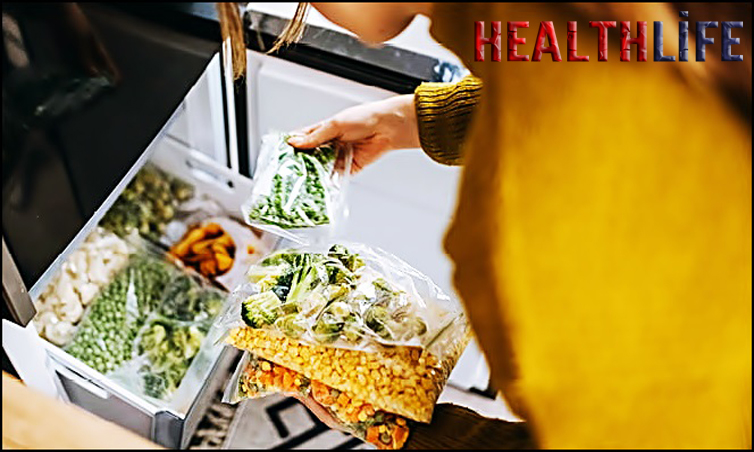
Storing dry foods is also important. Keeping dry foods such as rice, flour and pasta away from moisture prevents them from molding and spoiling. Therefore, they should be stored in a cool, dry place outside the refrigerator. You can extend the shelf life of these foods by using airtight containers or glass jars. You should also use proper storage methods to preserve the freshness of fruits and vegetables. Some fruits and vegetables are better stored at room temperature, while others should be kept in the refrigerator. For example, tomatoes, onions and potatoes can last longer at room temperature, while foods such as cucumbers, lettuce and strawberries are recommended to be stored in the refrigerator.
Finally, planning shopping is also important to avoid food waste. Buying only the amount you need and consuming items that are approaching their expiration date first will help you reduce waste. Applying methods to keep food fresh at home for a long time to prevent food waste not only saves you money but is also an important step in terms of sustainability. Checking your refrigerator layout, protecting dry foods from moisture, storing fruits and vegetables correctly, and doing planned shopping are effective strategies that extend the life of food. By following these simple steps, you can prevent food waste at home and contribute to a more sustainable future.
Food Safety And Shelf Life: How To Preserve Your Food Without Spoilage?
Proper storage of food is important to ensure food safety and extend shelf life. Food spoilage can cause both financial losses and health problems. Therefore, it is important to keep your food fresh and safe. Here are some tips to keep your food intact:
Check the Refrigerator Temperature: Make sure the temperature of your refrigerator is between 4 and 5 degrees Celsius. This keeps food fresher for longer. Also, the temperature of the freezer should be between -18 and -20 degrees Celsius.
Use Airtight Containers: Storing food in airtight containers prevents oxygen and moisture from entering. As a result, the growth of microorganisms slows down and your nutrients last longer. You can store your food using plastic or glass containers.
Keep Foods Separate: Some foods can spoil quickly by interacting with each other. For example, fruits and vegetables release ethylene gas, which can cause other foods to spoil quickly. Therefore, keep foods that release ethylene gas separately or use special storage bags.
Wrap Foods Well: Wrapping foods well reduces air contact and prevents spoilage. You can preserve the freshness of products, especially in opened packages, by wrapping them appropriately. Pay Attention to Shelf Life Dates: When shopping, check the expiry dates of foods. Do not purchase old or expired products. At the same time, regularly check the expiration dates of household products and throw away any that are spoiled or stale.
By storing your food correctly, you can ensure food safety and extend its shelf life. You can prevent your food from spoiling with simple steps such as controlling the refrigerator temperature, using airtight containers, keeping foods separate, protecting foods by wrapping them, and checking dates. In this way, you can obtain healthier and longer-lasting fresh foods.
Practical Storage Solutions: Which Foods Should Be Stored in the Refrigerator and Which Should Be Stored Outside?
Storing our food in a healthy and practical way is of great importance in our daily life. However, it is also important to know that every food has different storage requirements. Therefore, storing foods correctly is a vital step to maintain their freshness and prevent spoilage. Here is some information about practical storage solutions:
Foods that should be kept in the refrigerator:
Milk and dairy products: Dairy products such as milk, yoghurt and cheese should generally be stored in the refrigerator. It stays fresher longer when stored in a cold environment.
Meat and seafood: Protein sources such as chicken, beef and fish should also be kept in the refrigerator. The low temperature of the refrigerator prevents the growth of microorganisms and prevents food from spoiling.
Foods Suitable to Store Outside:
Dry foods: Dry foods such as rice, pasta, flour, nuts can be stored in a cool and dry place. After opening, it should be stored in containers that prevent air from entering. Fresh fruits and vegetables: Some fruits and vegetables store better at room temperature. For example, foods such as bananas, tomatoes, onions and potatoes may lose their freshness in the refrigerator. It is more convenient to store them in a cool, dry place.
Regarding storage solutions, some general tips are also important:
– Store food in airtight containers.
– Choose an environment that is not subject to temperature fluctuations.
– Store food regularly by placing it on the correct shelves or boxes.
– Pay attention to the expiration date and throw away spoiled food.
Practical storage solutions are important to maintain the freshness of foods and prevent them from spoiling. It should not be forgotten that, along with foods such as dairy products and meat that should be stored in the refrigerator, dry foods and some fruits and vegetables can be stored at room temperature. With the right storage methods, you can keep your food fresher for longer and prevent waste.
How Many Days Can Food Be Stored, in the content of our article about, you can find practical information about how long the food we prepare for you, our valued friends, can be stored and share it with your friends.
For your questions and complaints, you can write to us in the comments section. We are trying to help you with all your problems.
Our other recommendation link that may attract your attention; How To Store Food?