How To Store Food? Proper storage of food is important to preserve their freshness and ensure safe consumption. Good storage can delay nutritional deterioration and minimize food waste.

Here are some tips on how to preserve food:
Refrigerator: Most fresh foods should be kept in the refrigerator. Foods such as meat, dairy, vegetables and fruits can last longer at low temperatures. By storing these foods in appropriate compartments of the refrigerator, you can slow down the growth of microorganisms and preserve their nutritional value.
Deep Freezer: You can preserve the freshness of foods such as meat, fish, vegetables and fruits in the deep freezer, which is ideal for long-term storage. By freezing food in airtight containers and in appropriate portions, you prevent the formation of ice crystals.
Airtight Containers: It is important to store dry foods such as nuts, grains, and flour in airtight containers. Thus, it prevents moisture and air oxidation, prevents food spoilage and extends shelf life.
Plastic Wraps and Containers: You can use plastic wraps and containers when storing food leftovers. By cutting off contact with air, it reduces bacterial growth and keeps food fresh. However, when using plastic storage products, it is important to choose safe plastics.
Vegetables: Some vegetables should not be stored in the refrigerator. Some root vegetables, such as onions and potatoes, should be stored in a cool, dry and dark environment. It is also important to store vegetables by keeping them clean and completely dry. Humid environments can cause mold growth.
Storing food correctly reduces costs and prevents food waste. By following these tips, you can keep your food fresh and safe for longer.
Perfect Preservation: How To Best Store Your Food?
Storing food correctly ensures that it maintains its freshness and reduces the amount of waste. It is important to pay attention to some tips to preserve our food efficiently. Here are practical methods you can use to store your food in the best possible way:
Fridge Organization: Organizing food in the refrigerator increases their longevity. Place perishable products, vegetables and fruits in separate compartments. Remember to place delicate foods such as dairy products, meat and seafood in zones suitable for cooling temperatures.
Airtight Containers: Storing food in airtight containers helps them maintain freshness for longer. Glass or plastic containers are ideal for storing food safely. You can also preserve the freshness of foods to be stored in the refrigerator by covering them with stretch film or lids.
Temperature Control: Instead of putting hot food directly into the refrigerator, let it cool to room temperature first. Hot foods can disrupt the temperature balance of other foods in the refrigerator, causing them to spoil quickly.
Freezer Organization: Properly package and label foods to keep your freezer organized. Freeze fresh vegetables without blanching so they better retain their flavor and nutritional value. You can also prevent unnecessary waste by freezing excess food in portions.
Shelf Life: Pay attention to the expiration dates stated on the packaging. By monitoring the shelf life of foods, you can ensure timely consumption. Keep your closet tidy and clean by immediately throwing away old or broken products.
Storing your food in the best possible way not only saves money in the kitchen but also contributes to a healthy diet. You can preserve the freshness of your food and minimize waste by using correct preservation methods. Remember, with a few simple steps, you can keep your food fresh for a long time and always available to prepare great meals.
Challenge Time: Secrets To Keeping Food Fresh For A Long Time
The freshness of food is of great importance in terms of health and nutritional value. However, sometimes we find that food spoils quickly, and this increases waste and reduces the nutritional properties of foods that lose freshness. Fortunately, there are some tips we can use to keep food fresh. Here are the secrets to keeping your food fresh for a long time:
Ensure correct storage conditions: Storing foods correctly helps them maintain freshness. You can prevent fruits and vegetables from rotting by keeping them in a humid environment in the refrigerator. Additionally, it is important to keep meat and dairy products at the appropriate temperature.
Use vacuum packaging: Storing foods in airtight vacuum packaging prevents oxidation and spoilage. With this method, you can preserve the freshness of meat, fish and other delicate foods for longer.
Use the freezing method: By freezing foods, you can extend the time they stay fresh. You can freeze fruits and vegetables by chopping or pureeing them and using them later. You can also preserve the freshness of food by cooling it after cooking and then freezing it.
Try drying methods: Drying is an effective method to preserve the freshness of fruits, vegetables, meat, herbs and spices. You can choose different drying methods such as sun drying, oven drying or using a dehydrator.
Shop fresh: Buying foods as fresh as possible helps them maintain their freshness for longer. You can keep your food fresher for longer by shopping at local markets or stores that stock fresh produce.
Thanks to these tips, you can keep your food fresh for a long time and prevent waste. Foods that preserve their freshness help you prepare more delicious meals and maintain a healthy diet. You can take more conscious steps to preserve the freshness of foods by defying time.
No More Food Waste: Preventing Waste With Smart Storage Techniques
Unfortunately, the food waste we produce in our daily lives and kitchens has become a major problem. These wastes not only increase the volume of garbage but also lead to waste of natural resources and environmental impacts. Fortunately, there are ways to reduce food waste and prevent waste through smart storage techniques.
First, at the beginning of this process, it is important to choose reusable storage containers instead of the plastic bags we usually use. Glass or plastic storage containers keep food fresh while also being environmentally friendly. However, storing food correctly is also of great importance. For example, keeping fruits and vegetables in airtight containers in the refrigerator helps them maintain their freshness longer.
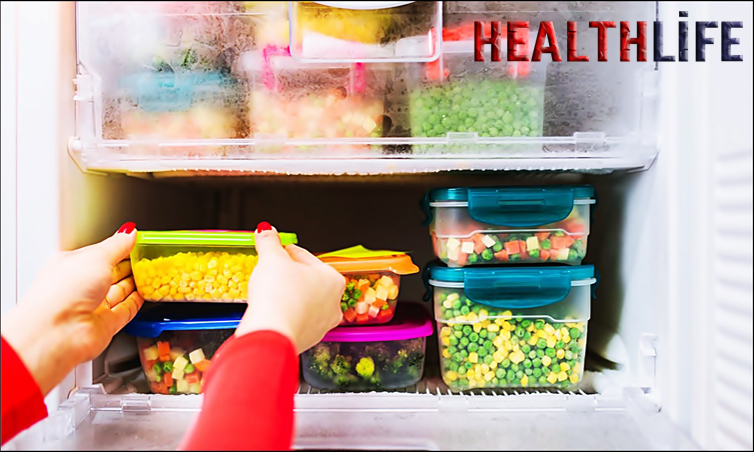
In addition, long-term storage by freezing food waste is also an effective method. This method is especially useful for dealing with increasing amounts of food. By dividing your meals into appropriate portions, you can store them in the freezer and easily take them out and use them whenever you need them. In this way, while it prevents food from spoiling, it also allows you to save time in daily life.
We can also take steps to evaluate and recycle food waste. For example, we can create a delicious meal by using waste such as vegetable peelings or meat bones to make soup. Additionally, by composting organic waste, we can obtain efficient fertilizer for plant growth. In this way, we can contribute to a sustainable lifestyle by ensuring that waste becomes beneficial instead of harming nature. It is necessary to apply smart storage techniques to reduce food waste and prevent waste. We can be environmentally friendly and use resources economically by using methods such as storing in reusable containers, freezing correctly and recycling waste. If each of us acts more consciously on this issue, it will be an important step towards a more sustainable future by reducing waste.
Preserve Flavor: How To Maintain The Taste And Nutritional Value Of Your Foods When Storing?
In our daily life, maintaining the freshness and taste of foods is an important part of a healthy nutrition plan. However, we often worry about losing taste and nutritional values during the storage process of our food. Fortunately, we can prevent these losses by using the right methods. The first thing you should consider when storing your food is to provide appropriate storage conditions. For example, keeping vegetables and fruits in the refrigerator prolongs their freshness and minimizes the loss of vitamins and minerals. You can also isolate food from oxygen by using airtight containers that can be sealed tightly. This helps preserve flavor and nutritional value by reducing the oxidation of nutrients.
Another important point is to prepare and process food correctly. When cutting or chopping food, slicing it as thinly as possible or cutting it into small pieces helps preserve the nutrients in the food. You can also minimize nutrient loss by reducing cooking time and steaming or boiling vegetables. Using a freezer is also a great advantage when storing your food. By freezing fruits and vegetables, especially ones you purchase in season, you can preserve their nutritional value and taste for a long time. You can also minimize food waste by dividing meals into portions and using disposable freezer bags.
Another point to remember is to keep your foods natural and fresh. You can flavor your food with natural ingredients such as fresh spices, lemon juice or vinegar. This preserves flavor while reducing the need for unhealthy additives like salt or sugar. Finally, there are some points you should pay attention to when storing your food. For example, you should immediately throw away spoiled or moldy food. It is also important to pay attention to the expiration dates of foods and ensure appropriate temperature conditions.
In order to preserve the taste, we must use the correct storage methods when storing our foods. Consuming fresh and nutritious food is important for our health. Therefore, we must enrich our daily diet by using available resources effectively and keep nutritional values at the maximum level.
How To Store Food, you can find practical information about how to store the foods we prepared in the content of our article and inform your friends about our page by sharing it on your social networks.
For your questions and complaints, you can write to us in the comments section. We are trying to help you with all your problems.
Our other recommendation link that may attract your attention; How Long Do Makeup Materials Last?